Industries Served

Delstar Metal Finishing, Inc. serves a wide spectrum of industries, ranging from petrochemical processing to semiconductor manufacturing. This long and varied list of customer applications is mainly due to the fact that electropolishing offers a wide array of benefits, all of which accrue simultaneously. Consequently, many different industries find that electropolishing offers the best possible solutions to a broad range of problems and challenges.
Semiconductor Manufacturing

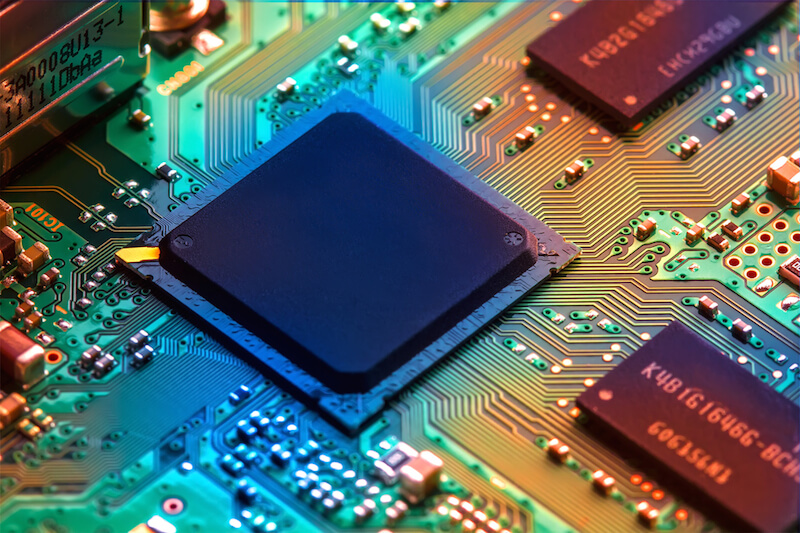
Semiconductor manufacturing clean rooms demand non-contaminating and non-particulating surfaces. With every passing year, the contamination control requirements are tightened, causing an ever-increasing requirement for electropolished clean room surfaces. Electropolishing is the ultimate finish for any metal component that is installed inside a clean room, including tables, chairs, equipment consoles, gas and fluid distribution systems, waste containers, light fixtures, exposed electrical conduit and outlet boxes, vacuum chambers, manufacturing and processing equipment, and other metallic components used by this cutting edge industry.

Pharmaceutical Processing

Like the semiconductor manufacturers, pharmaceutical companies place a significant premium on super-clean metal surfaces. As FDA contamination control requirements tighten, the use of electropolished equipment surfaces by this important industry has escalated dramatically. Today, virtually any high-purity piping or tubing system is electropolished, as well as the inside surfaces of pharmaceutical mixers, dry product delivery systems, filters, strainers, vessels, dies, dryers, choppers, cooling coils, plate coils, heat exchangers and other important hardware. For product-on-product, microbiological or other contamination problem, electropolishing offers the ultimate solution for stainless steel pharmaceutical components.

Petrochemical Processing

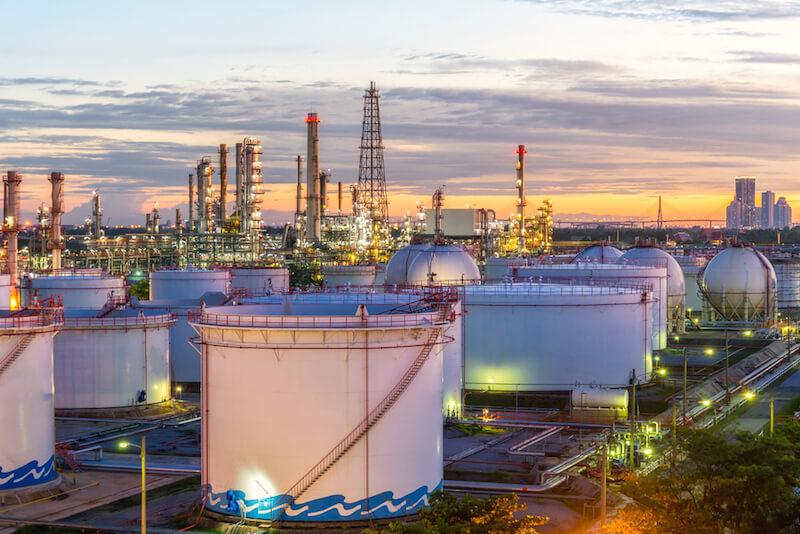
For some industries, the super-clean microscopic metal surface produced by electropolishing is the primary attraction. Others, like petrochemical companies, rely on this important process for producing easy-to-clean macro surfaces. Whether it's heat exchanger tubing, product transfer pipe and related pipeline components, or large storage tanks and process vessels, electropolishing lengthens time between cleanings and dramatically reduces the amount of man-hours and effort associated with required cleaning. The result is more productivity due to less down-time.

Experience tells us that any container used in mixing, blending or storage processes for liquids or powders is an excellent candidate for electropolishing. The non-stick qualities of an electropolished surface have obvious advantages in these applications. Companies who have used electropolished parts successfully in petrochemical and chemical processing applications include ExxonMobil, Shell, Dow Chemical, BASF, Air Products & Chemicals, Inc., Dupont, Albemarle, Solutia and many others.

Energy Exploration

The energy exploration industry is a new customer for electropolishing. An expanding array of down-hole equipment is electropolished, mainly for super-passivation against sour gas attack. In addition, many off-shore rig components are electropolished for protection against salt air and water exposure, including blow-out preventer assemblies, instrumentation, piping, pumps, valves, condensers, and thermowells.

Aerospace

Aerospace companies utilize electropolishing for three primary reasons: precision deburring, super-passivation and outgassing prevention. Aircraft parts which are commonly electropolished include turbine blades, struts and other landing gear parts, skin panels and components, vacuum chambers, and various piping and tubing systems. In addition, a wide range of space vehicle parts is routinely electropolished, including entire satellite exterior surfaces.

Medical

For many years, the medical field has been a major beneficiary of electropolishing. All hospital, medical and surgical equipment (scalpels, clamps, saws, bone and joint implants, prosthetic devices, burn beds and rehabilitation whirlpools) are typically electropolished to facilitate cleaning and achieve high levels of non-contamination. All metal articles exposed to radiation and requiring regular decontamination also are prime candidates for electropolishing.

Nuclear Power

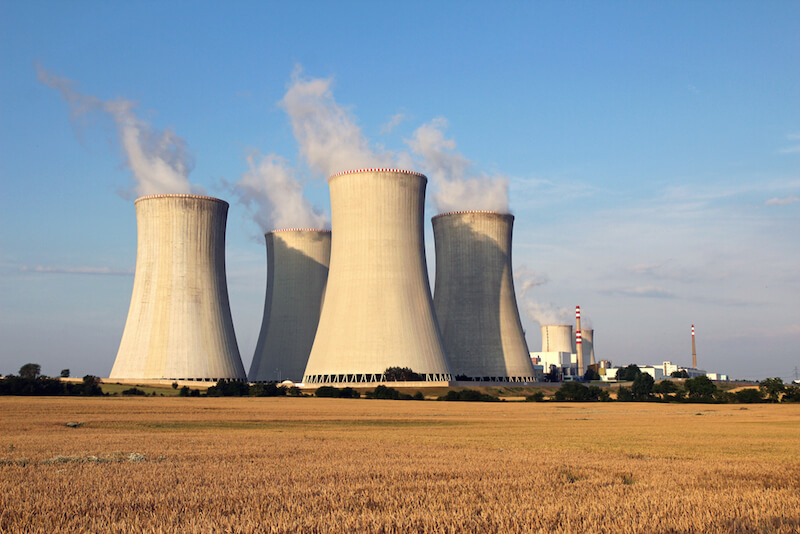
Electropolishing is a critical finish in the nuclear industry. Used to polish surfaces located in radioactive environments, electropolishing reduces contamination pick-up and increases the effectiveness of conventional decontamination techniques. The process can be used to decontaminate radioactive metallic surfaces to non-detectable levels. Any contamination located on or embedded in the surface can be removed by the electropolishing process. In addition, residual contaminated electrolyte can be removed in the rinsing operation. A very effective application for electropolishing is the polishing of nuclear plant re-circulation piping for stress-relief of internal surfaces which have already been mechanically polished.

Food & Beverage Processing

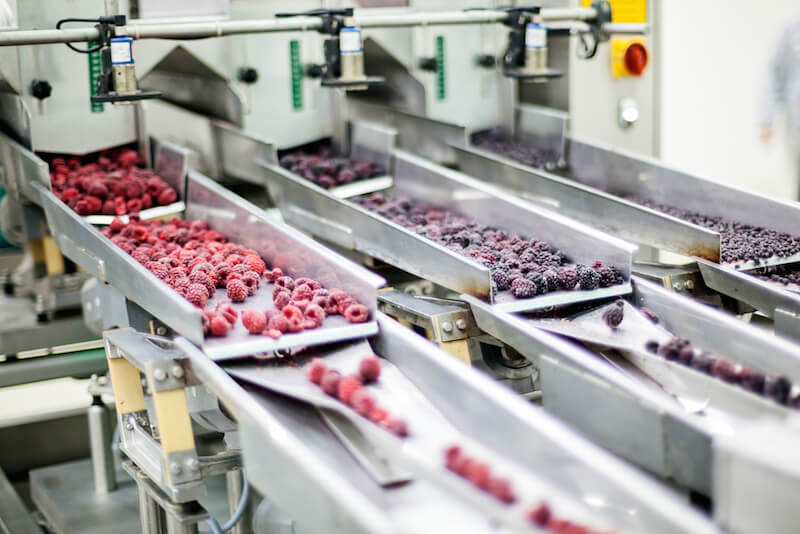
Electropolishing provides the smooth, easy cleaning and cosmetically pleasing surfaces demanded by this industry coupled with unmatched non-contamination and sanitary qualities. The process reduces oxidation and contamination of stainless steel components used in kitchen, dairy and automatic food processing equipment, and de-scales food and beverage containers. Overall, a significantly cleaner surface is produced by electropolishing, offering unprecedented resistance to the contaminating build-up of undesirable bacteria and product particles. Examples of commonly electropolished items include dry product delivery systems, filters, screens, strainers, product trays and dryers, mixers, product impellers, piping and tubing, fermentation vessels, and storage tanks.

Machined Parts

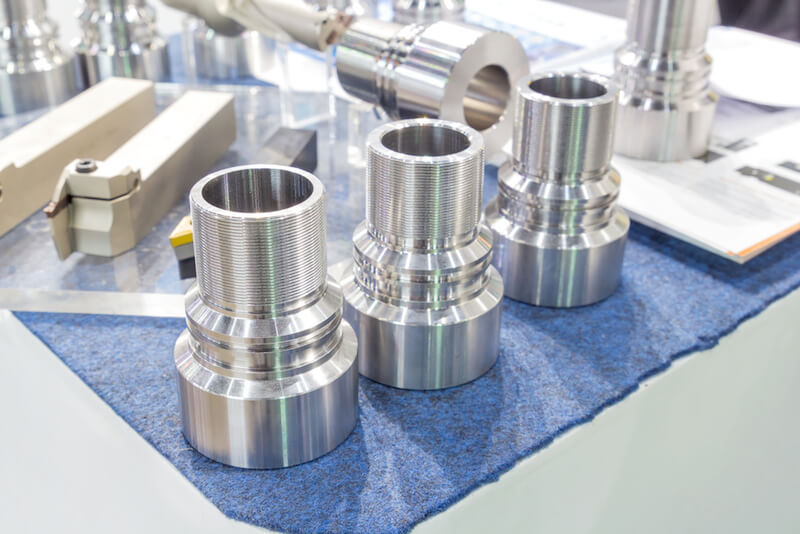
Screws, wheels, impellers, bolts, washers, valve stems and bodies, and other machined parts benefit significantly from electropolishing. The process provides a number of advantages, including deburring and stress-relieving of the part's surface; easy clean-up; a non-stick, non-contaminating, non-particulating finish; and a pleasing cosmetic appearance. It has been demonstrated that machined parts of electropolished 304 stainless steel exhibit superior corrosion resistance when compared to the same parts fashioned from non-electropolished 316 stainless steel. Precise ECM-like machining using electropolishing techniques is also an advantage in many applications.

Electropolishing also helps preserve carbon steel parts scheduled for extended storage. Electropolished carbon steel has been stored at 60-70 percent relative humidity for more than six months without visible rust. Electropolished brass tarnishes only slightly, if at all, under similar circumstances — a sharp contrast to buffed brass which turns dark very rapidly.

Water Treatment

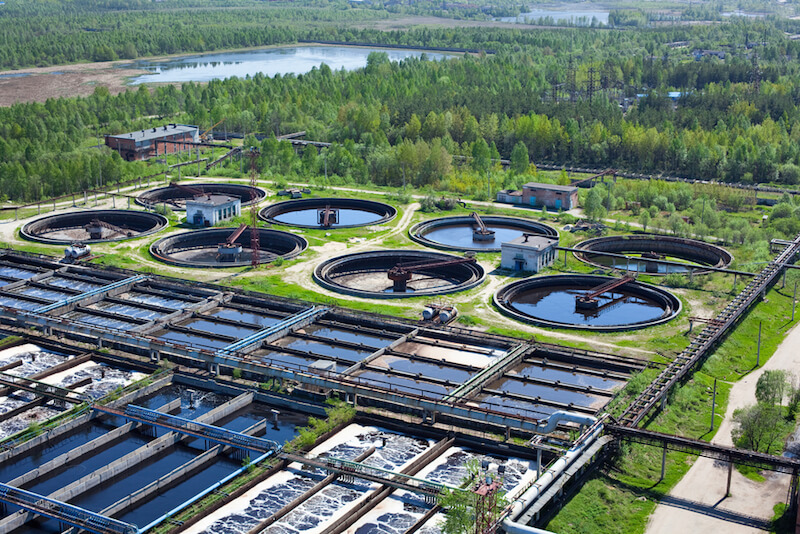
The water treatment and distillation industry employs electropolishing to improve the corrosion resistance of stainless steel components, as well as reduce the level of microbiological contamination that can accumulated within these systems. Common components commonly electropolished in the water treatment and distillation industry include filters, screens and strainers, pumps and valves, condensers, and piping.

Paper Mills

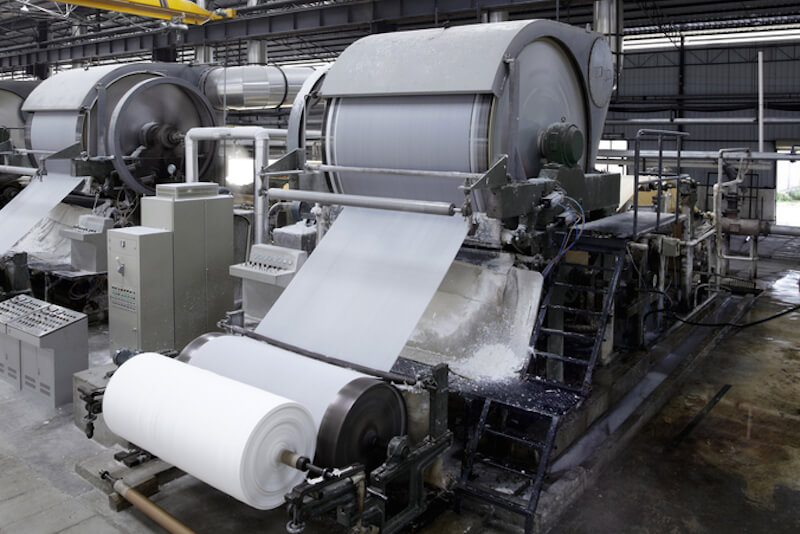
Paper slurry pipe systems and head boxes are two of many applications for electropolishing in the paper mill business.

Defense

Electropolishing is used in a wide range of confidential defense applications, as well as other applications that are not restricted. One non-restricted application is the electropolishing of the inside of rifle and cannon barrels to reduce fouling accumulation and improve the interior ballistics of the weapon. Delstar operates a wholly-owned subsidiary that performs electropolishing on rifle and cannon barrels, as well as other classified and non-classified applications.

Click here to submit a Request for Quote
or call us today at (713) 849-2090


Request a Quote

Do you have a question?

Items Marked * Are Required

delstar electropolishing ISO 9001:2008 Logo